Even Beginners Can Choose High-Quality LED Displays
As the LED display industry rapidly advances, LED displays are increasingly gaining popularity. So, as a beginner, how can you distinguish between good and bad quality LED displays?
1.Brightness
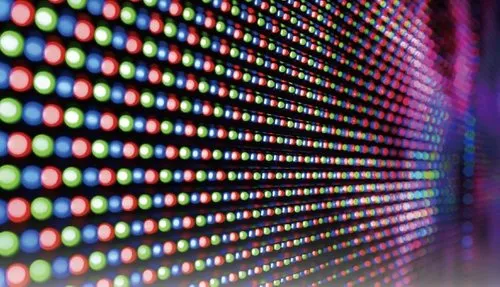
Brightness is one of the most important indicators of an LED display, as it determines whether the screen can display high-definition images. The higher the brightness, the clearer the image displayed on the screen. Conversely, with the same resolution, the lower the brightness, the more blurred the image will appear on the display.
The brightness of an LED display is typically measured by the following standards:
For indoor environments, it should reach above 800 cd/m².
For outdoor environments, it should reach above 4000 cd/m².
The LED display should maintain sufficient brightness under various weather conditions and be capable of continuous operation for more than 10 hours.
Under still weather conditions, the LED display should not exhibit uneven brightness.
2.Colour
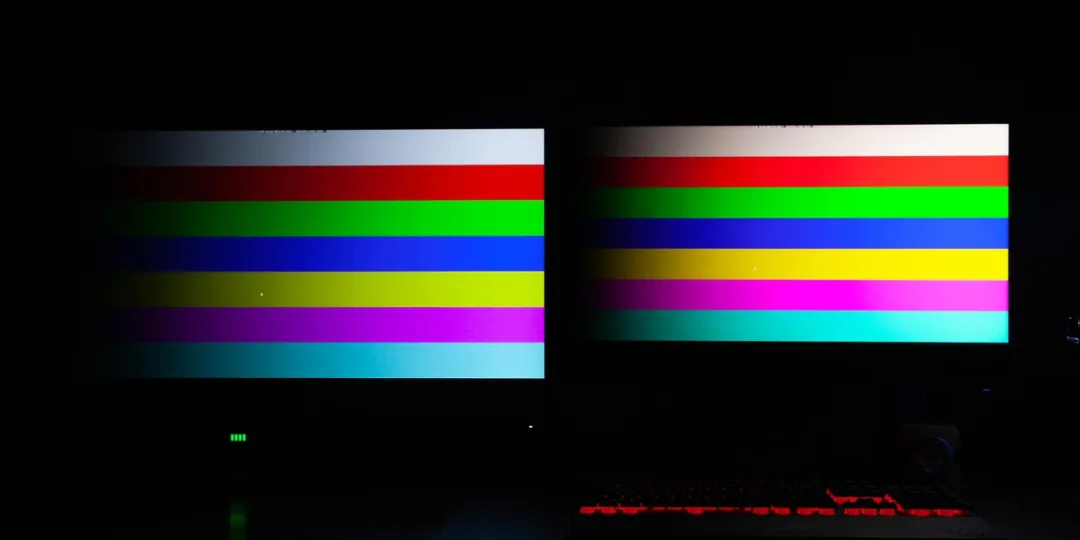
The colour quality of an LED display primarily includes factors like the number of colours, grayscale levels, and the size of the colour gamut. Each colour has its quantity and grayscale level, determined by its purity. Depending on specific requirements, different colour settings can be selected. Grayscale level is also a critical factor in determining the quality of an LED display. It represents the brightness range within a colour. Higher grayscale levels result in more delicate colours, providing a clearer viewing experience. Typically, an LED display with a grayscale level of 16 is standard, and this can be used to assess whether the LED display's quality is excellent.
3.Brightness Uniformity
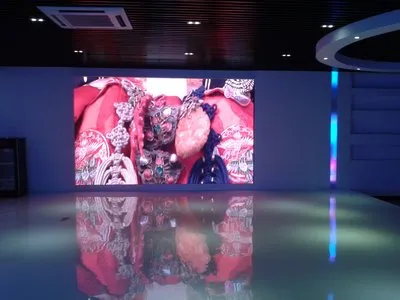
Brightness uniformity in LED displays refers to whether the brightness distribution between adjacent units is consistent during full-colour display.
Typically, brightness uniformity is assessed visually by comparing the brightness values of various points within the same unit during full-colour display, and comparing these values across different full-colour displays. Units with poor or uneven brightness uniformity are often referred to as "dark spots." Specialized software can also measure the brightness values between different units. Generally, if the brightness difference between units exceeds 10%, it is considered a dark spot.
Since LED displays consist of numerous units, brightness uniformity is primarily affected by uneven brightness distribution between units. Therefore, special attention should be given to this issue when selecting a display.
4.Viewing Angle
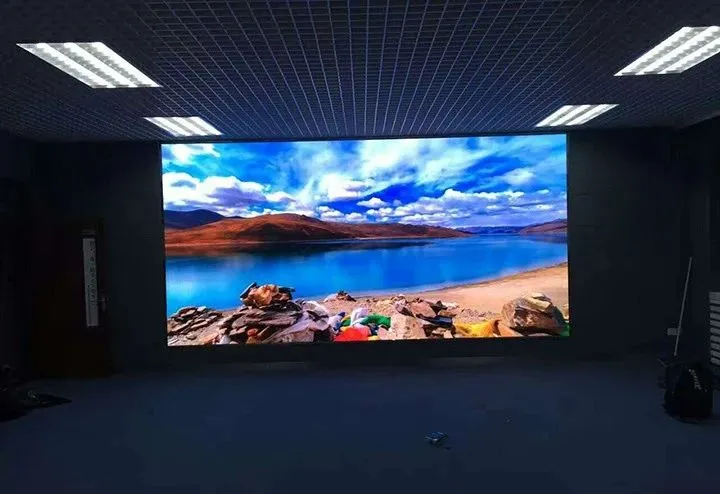
The viewing angle refers to the maximum angle from which the entire content of the display can be seen from the sides of the screen. The size of the viewing angle directly affects the number of people who can view the display, so a larger viewing angle is better. The viewing angle should be greater than 150 degrees. The size of the viewing angle is mainly determined by the packaging method of the chip.
5 Colour Reproduction
Colour reproduction refers to the ability of an LED display screen to maintain accurate colour representation as brightness changes. For example, if an LED display shows high brightness in darker environments but low brightness in brighter environments, colour reproduction adjustments are necessary to ensure the colours displayed on the screen closely match those in the actual scene. This helps ensure the colour reproduction of the display remains true to the real-world colours.
When selecting an LED display screen, you should consider the following points:
01.Choose reputable manufacturers: As the saying goes, "You get what you pay for." Established brands usually have proven reliability and trustworthiness.
02.Opt for well-known brands: Products from well-known brands generally offer better quality assurance.
03. Select manufacturers with good after-sales service: A high-quality product also requires excellent after-sales support to ensure its longevity and performance.
04.Choose manufacturers with experienced professional technicians: Expertise in repair and maintenance is crucial for ensuring the display's optimal functioning.
05.Look for manufacturers with mature product solutions: Manufacturers with well-developed solutions are more likely to offer comprehensive and effective products.